- The Paideia Educational Model
Feel. Know. Sustain.
Learning begins with experience, becomes knowledge and turns into the capacity to care, participate and act.
Experience alone is not enough. It needs to be observed and transformed into knowledge.
- An integral process
Learning as an integral and continuous process
In Paideia, education is more than the transmission of knowledge. It is a continuous process that connects people with the social, cultural and natural environment around them.
- HISTORY
- CULTURE
- biodiversity
- Ecology
- CONVIVIALITY
- science
History, culture, biodiversity, ecology, conviviality and science become part of the same learning experience, helping people understand places, relationships and the impact of their choices.
Paideia Campus is therefore not simply a place where learning happens, but an environment where people can experience, exchange knowledge, build relationships and explore new responses to contemporary challenges.
This idea is rooted in the meaning of Paideia: an ancient Greek concept of education that considers the person as a whole.
- LEARNING PATH
Knowledge is not something to receive. It is something to experience
Learning becomes meaningful when people take an active role in it.
Observation
At Paideia, education goes beyond traditional, passive learning. It is based on observation, discovery, dialogue, reflection and direct experience. People learn from one another, from the territory and from nature.
Responsibility
Learners are encouraged to ask questions, make connections, experiment and take responsibility for their own learning.
Exchange
Different disciplines, generations and forms of knowledge come together: students, teachers, researchers, professionals, farmers, entrepreneurs and local communities can all contribute to the same learning experience.
- The three dimensions
Three movements of one process
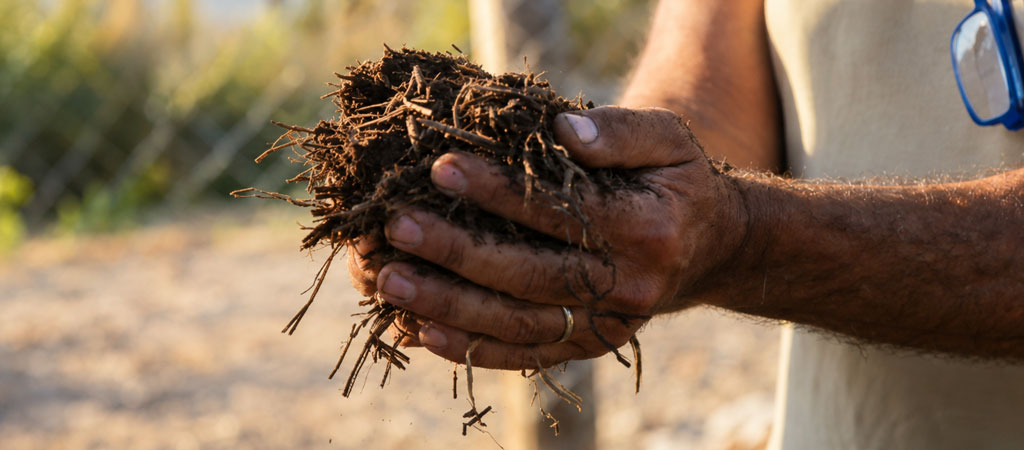
01.
Feel
The first step of learning is not knowing.
It is a feeling.
Senses, emotions, curiosity and attention create the conditions for learning. Before looking for answers, Paideia encourages people to observe, experience and ask why something matters.
Places, encounters and real situations become opportunities to develop awareness and open new questions.
Experience alone is not enough. It needs to be observed and transformed into knowledge.
Observation, research, dialogue and experimentation transform experience into knowledge. Learners acquire tools and competencies while connecting scientific knowledge, cultural heritage, traditional practices and different disciplines.
Learning means understanding not only individual phenomena, but also the relationships that connect them.
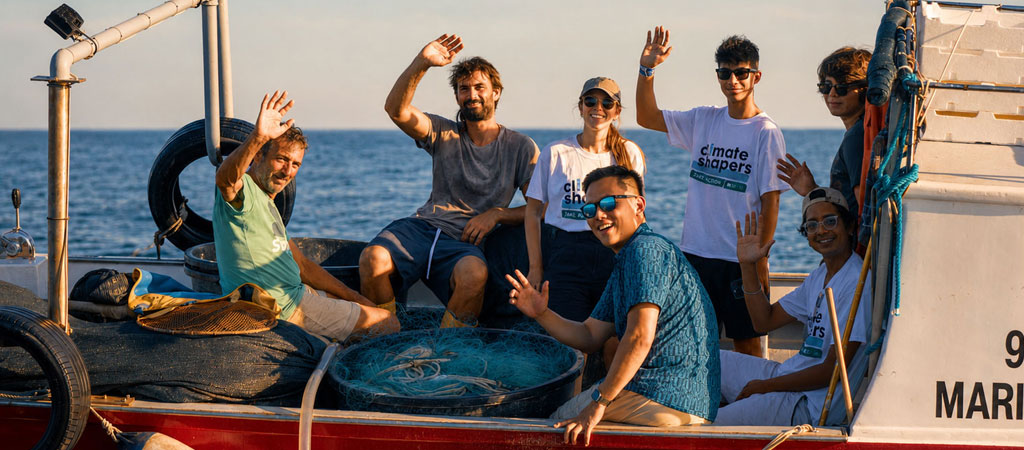
02.
Know
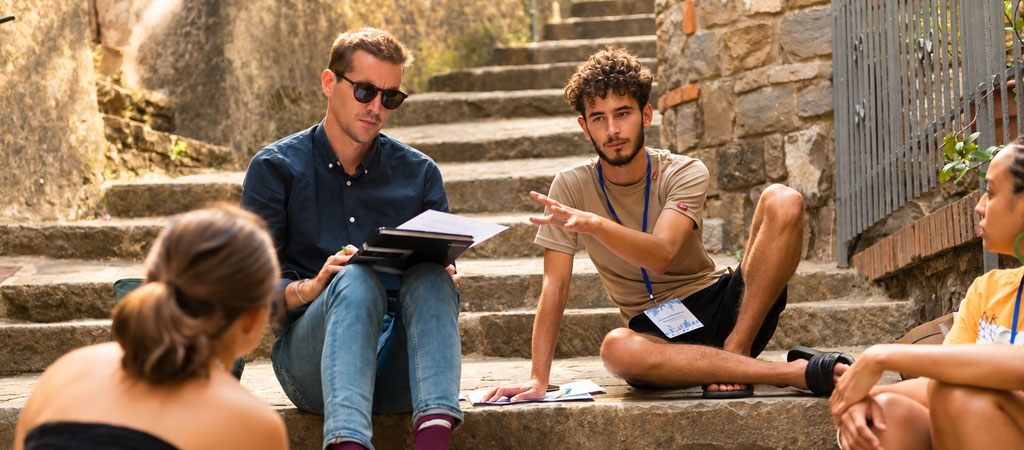
03.
Sustain
The third dimension moves education beyond understanding.
Learning becomes meaningful when it translates into participation and action. To sustain means developing the ability to cooperate, care for communities and ecosystems, and respond consciously to contemporary challenges.
Education therefore moves beyond understanding: it develops the capacity to take responsibility and contribute to change.
- The territory teaches
Learning happens in relationship with place
At Paideia, the territory is not simply the setting in which education takes place. It is part of the learning process.
Landscapes, biodiversity, cultural heritage, food systems and local communities become educational resources. A field can become a laboratory, a producer can become a teacher, a meal can reveal relationships between culture and ecology, and a village can become a space for observation and experimentation.
Pollica therefore becomes an open-air campus, where knowledge is encountered directly and different generations and forms of expertise can learn from one another.
- Learning to act in complexity
From individual learning to collective change
Paideia develops learning experiences that are active, collaborative, interdisciplinary and intergenerational. Students, teachers, researchers, professionals and members of local communities can contribute different forms of knowledge to the same process.
The aim is to help learners recognise connections, take responsibility for their own learning and develop a systems mindset capable of addressing collective challenges.
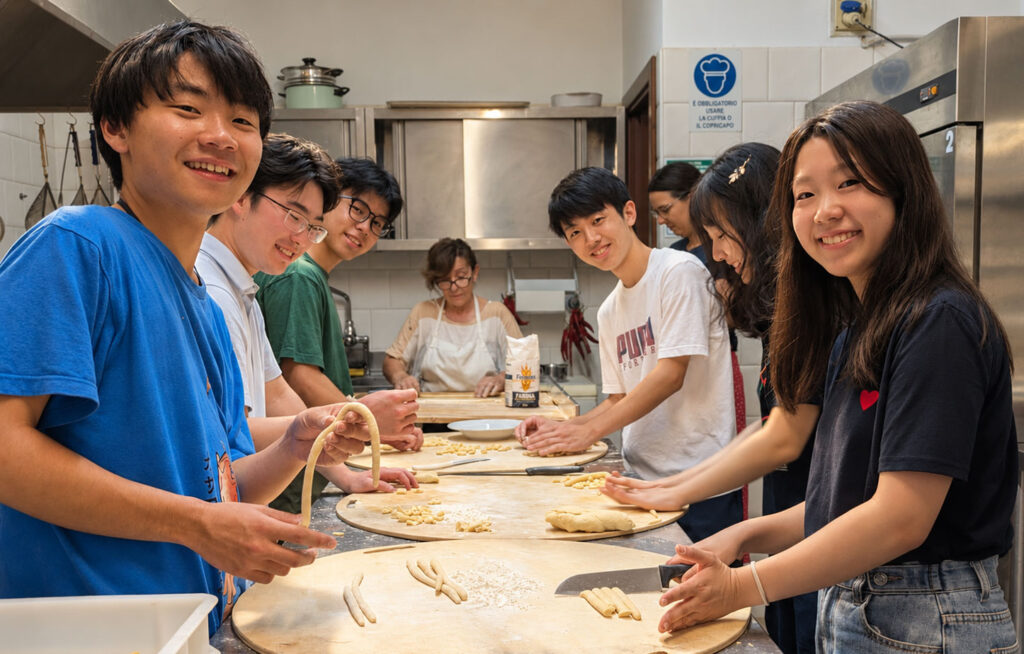
- The Academy
Experience the model
The Paideia educational model comes to life through programs, immersive experiences and learning pathways rooted in real places and real challenges.

